
Contrast Therapy: The Science Behind Hot-Cold Recovery
Hot-cold protocols have existed across cultures for thousands of years, from Nordic sauna culture to Japanese onsen, Roman bath houses to modern sports medicine. Contrast therapy is the structured version of that ancient intuition, and the science behind why it works is now well understood.
If you've been researching recovery protocols and keep seeing references to the sauna-to-cold-plunge cycle, this article explains exactly what's happening physiologically. Biohack's private contrast therapy sessions combine a dedicated infrared sauna and cold plunge in one private room, designed to deliver the full protocol in a single session.
What is contrast therapy?
Contrast therapy is the deliberate alternation between heat and cold, typically infrared sauna and cold plunge, within a single session. The protocol creates a cycle of vasodilation (heat) and vasoconstriction (cold) that drives several simultaneous recovery processes: improved circulation, lymphatic drainage, inflammation clearance, and hormetic adaptation.
It's not about tolerating heat or cold independently. The rapid thermal swing between the two extremes is what makes the protocol uniquely effective. Each transition amplifies the effect of the one before it.
The cardiovascular pump effect
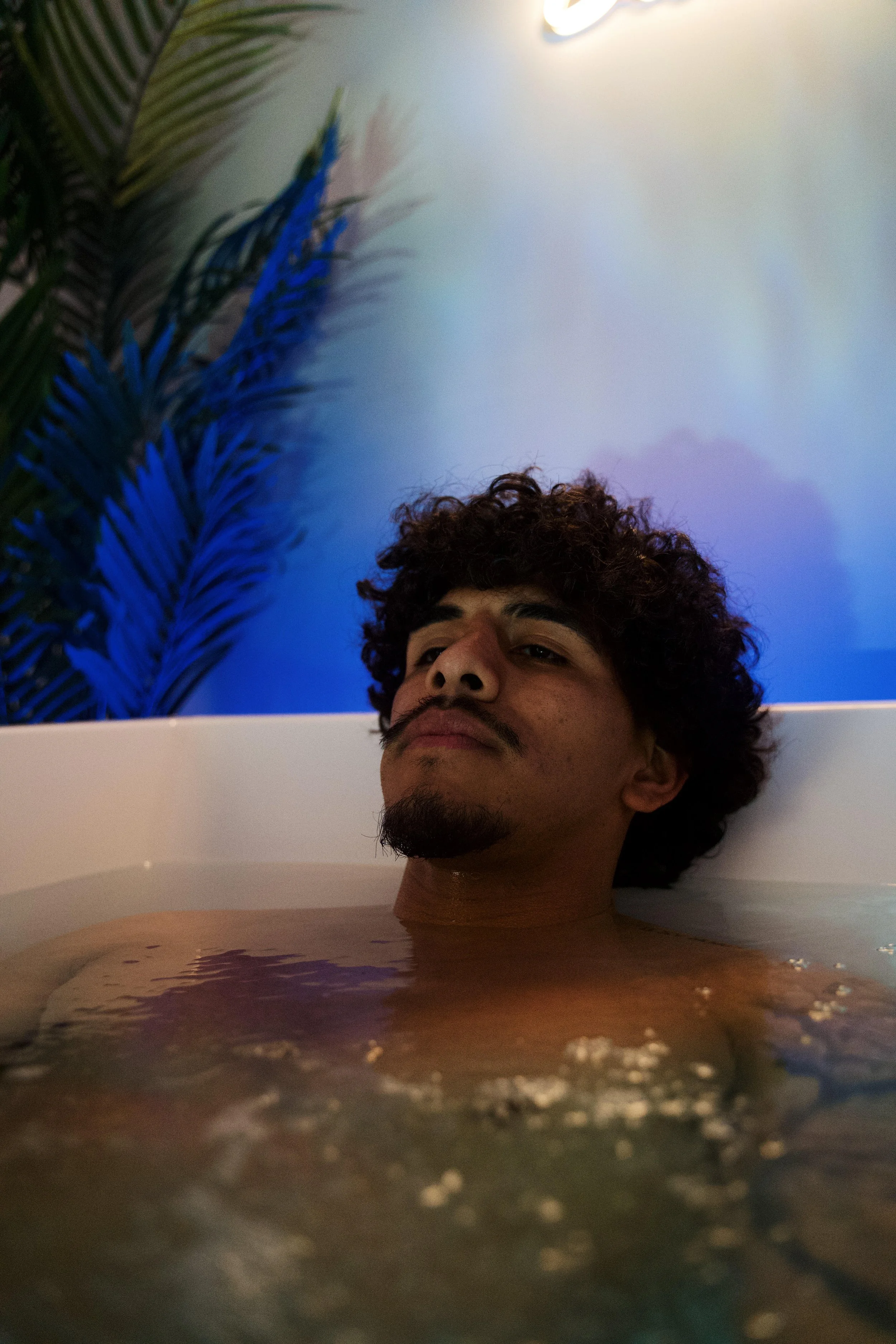
Heat dilates blood vessels and drives blood to the periphery. Cold contracts them and pushes blood back toward the core. When you alternate between heat and cold repeatedly, you create a vascular pump: a rhythmic contraction and expansion of the peripheral circulatory system that dramatically accelerates the clearance of metabolic waste (lactic acid, inflammatory cytokines, cellular debris) from muscles and connective tissue.
Think of it like squeezing and releasing a sponge. Each heat-to-cold transition forces a new flush through the tissue.
Lymphatic drainage
Unlike the cardiovascular system, the lymphatic system has no pump of its own. It relies on body movement, compression, and, critically, thermal changes to drive fluid through lymphatic vessels. Contrast therapy is one of the most efficient non-manual methods for stimulating lymphatic flow.
The practical benefit: reduced swelling, faster clearance of post-exercise inflammation, and a measurable decrease in that heavy feeling in muscles that comes from accumulated fluid and metabolic byproducts after hard training.
Hormetic adaptation: why stress makes you stronger
Hormesis is the biological principle that controlled, moderate stress produces a stronger adaptation response than no stress at all. Cold exposure is a hormetic stressor. Heat is a hormetic stressor. The combination, delivered in a controlled, repeating pattern, produces a compounding adaptation signal.
Regular contrast therapy protocols have been associated with improved autonomic nervous system regulation, increased resilience to physiological stress, and enhanced recovery speed over time. The body adapts to the thermal challenge, and that adaptation has carryover effects on how well you handle other stressors: training, sleep deprivation, illness.
Inflammation clearance
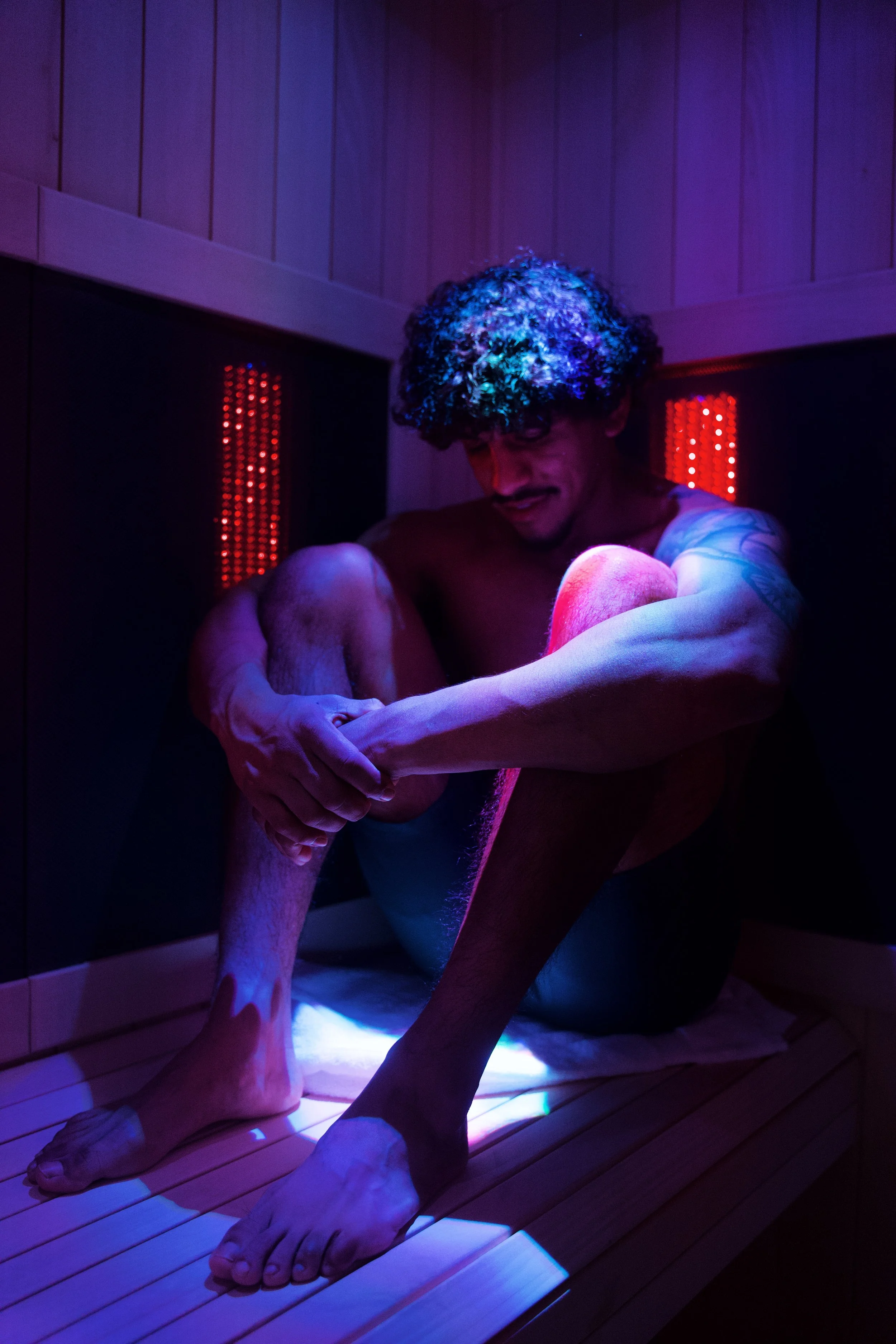
Post-exercise inflammation is a normal and necessary part of the recovery process. But when it stalls or becomes chronic, it becomes the problem rather than the solution. Contrast therapy directly addresses inflammatory stagnation. The repeated vascular flushing clears pro-inflammatory markers from the affected tissue. The cold component suppresses cytokine production through norepinephrine-mediated pathways. The heat component promotes cellular repair via heat shock protein expression.
The two mechanisms are complementary. Together they create a faster, more complete inflammatory resolution than either modality achieves independently.
Mental resilience and parasympathetic recovery
Contrast therapy works the nervous system as much as it works the body. Transitioning from heat to cold requires deliberate regulation of the stress response: slowing the breath, resisting the urge to exit, staying present. That neural practice has real-world carryover. Clients consistently report improvements in stress response, sleep quality, and emotional regulation with regular contrast therapy.
The cold component also produces the sustained dopamine elevation associated with cold water immersion, meaning the mood and focus benefits extend well beyond the session.
The protocol: timing and structure
A common starting point for contrast therapy is a 3:1 ratio of heat to cold. For example, 15 minutes in the infrared sauna followed by 5 minutes in the cold plunge, repeated for 2-3 cycles. This is a guideline, not a rule. The optimal protocol depends on the individual's cold tolerance, training status, and recovery goals.
At Biohack, our practitioners will help you dial in the right protocol for your specific situation. The session itself is 45 or 60 minutes, giving you enough time to complete multiple full cycles and experience the cumulative effect rather than just a single transition.
Key principle: always end on cold. The vasoconstrictive effect at the end of the session reduces residual inflammation and leaves you in a physiologically recovered state rather than the heat-induced fatigue that comes from ending on the sauna.
Contrast therapy at Biohack Cryo & Wellness
The contrast therapy room at Biohack is private. Infrared sauna and cold plunge in the same space, available to you alone for the duration of your session. No strangers sharing your cold tub. No waiting for the sauna to open up. Sessions are 45 or 60 minutes, practitioner-led, and designed to deliver the full protocol rather than a single pass.
Contrast therapy is Biohack's most complete recovery offering. It combines the cellular-level heat penetration of our infrared sauna with the dopamine spike, norepinephrine boost, and vascular flushing of the cold plunge. For clients interested in maximum cold stimulus, cryotherapy can be added to create a comprehensive protocol.
Book your contrast therapy session in Woodland Hills
Biohack Cryo & Wellness is at 5305 Topanga Canyon Blvd, Woodland Hills, CA, central to the San Fernando Valley, serving Calabasas, West Hills, Tarzana, Encino, Chatsworth, Thousand Oaks, and Malibu. We're open Mon-Fri 7 AM-8 PM and Sat-Sun 8 AM-6 PM.
Contrast therapy is the protocol most clients wish they'd started sooner. Book your contrast therapy session now and see what deliberate hot-cold recovery actually feels like.