
Cold Plunge Benefits: What Cold Water Actually Does to Your Body
Cold plunging has gone from elite-athlete recovery tool to mainstream wellness practice faster than almost any other modality. If you've been curious but haven't tried it yet, or you tried it once and want to understand what actually happened, you're in the right place. Biohack's private cold plunge sessions in Woodland Hills are built around exactly this science.
The benefits are real. The science behind them is solid. And it's also uncomfortable. That discomfort is not a side effect. It's the mechanism.
What happens to your body in cold water: the basics
When you submerge in cold water, your body interprets the temperature drop as a survival threat and responds immediately. The initial response is involuntary and intense: a sharp intake of breath, a spike in heart rate, a rush of adrenaline. Within about 30 seconds, the acute shock response subsides if you stay calm, control your breathing, and hold your position.
What follows those first 30 seconds is where the real physiological work begins.
Vasoconstriction and vasodilation: the cardiovascular pump
Cold water causes blood vessels near the skin and in your extremities to constrict sharply (vasoconstriction), driving blood toward your core and vital organs. When you exit the plunge, those vessels dilate rapidly (vasodilation), pushing oxygenated blood back into the peripheral tissues (muscles, joints, fascia) that just got cleared of metabolic waste.
This vascular pump effect is one of the core drivers of cold plunge's recovery benefit. You're essentially forcing a flush of the circulatory system's peripheral branches. Inflammation markers decrease. Tissue that was oxygen-depleted gets refreshed. The effect is measurable for hours after the session.
The dopamine spike: why you feel so good afterward
This is the one people notice most immediately.
Cold water immersion produces a sustained dopamine increase of up to 250% above baseline. That's not a short-lived hit. Studies have shown dopamine levels remain elevated for several hours after cold exposure. Dopamine is not just a feel-good neurotransmitter. It drives motivation, focus, goal-directed behavior, and mood stability.
This is distinct from the adrenaline rush of the initial plunge. The adrenaline is acute and short-lived. The dopamine elevation is sustained, and it's one of the main reasons regular cold plungers describe an improvement in mental clarity, mood, and drive that extends well beyond the session itself.
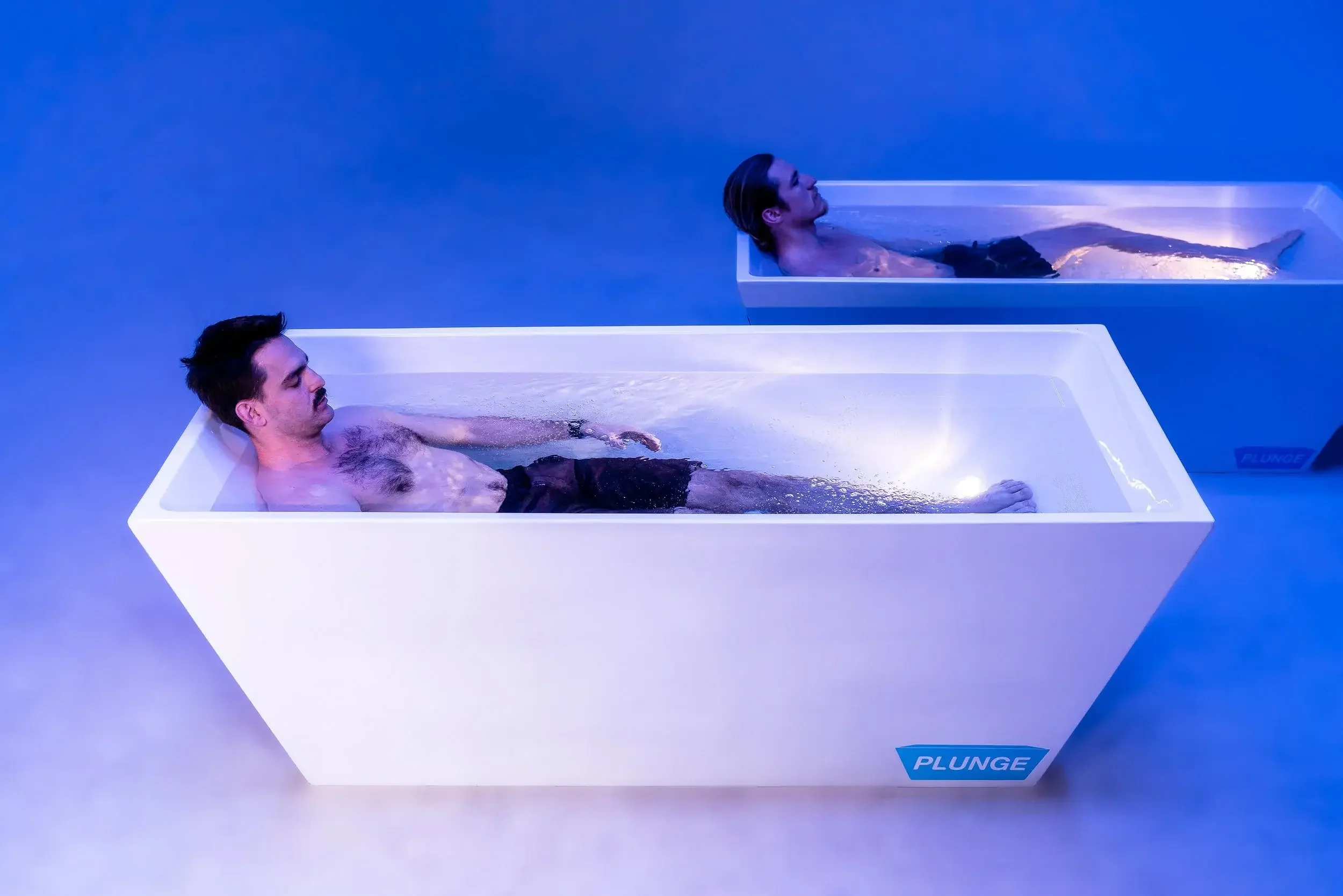
Norepinephrine: the anti-inflammatory you're already carrying
Cold exposure drives a significant increase in norepinephrine (by 200-300% in some studies). Norepinephrine functions as both a neurotransmitter and a hormone. In the context of cold exposure, its anti-inflammatory effect is particularly relevant. It suppresses cytokine production (the signaling molecules that drive inflammation) and can reduce chronic low-grade inflammatory states that slow recovery and increase pain sensitivity.
For athletes dealing with ongoing soreness or anyone with inflammation-related conditions, this norepinephrine response is a meaningful and repeatable benefit, provided you're doing cold exposure consistently, not just once.
What happens minute by minute in the plunge
0-30 seconds: The cold shock response. Heart rate spikes. Breathing becomes rapid and shallow. Your body screams at you to get out. This is where most beginners bail. Don't.
30 seconds - 2 minutes: If you control your breathing and stay calm, the acute shock response settles. Cold receptors adapt slightly. The parasympathetic nervous system starts engaging. Heart rate comes down. You enter a more sustainable state of cold tolerance.
2-5 minutes: The physiological benefits are now compounding. Vasodilation is primed. Norepinephrine and dopamine are rising. The discomfort is real but manageable. This is the productive zone. Most protocols aim for 2-5 minutes depending on water temperature and the individual.
Post-plunge: Vasodilation floods the tissues. Mood lifts. Mental clarity increases. Muscle soreness typically decreases within the following hours.
Cold plunge for inflammation and recovery
Cold water immersion has a well-documented effect on exercise-induced muscle damage and soreness. Post-exercise cold plunging reduces DOMS (delayed onset muscle soreness) by reducing inflammation in the damaged muscle fibers and clearing metabolic byproducts that accumulate during training.
This is why professional sports teams have had cold plunge tubs in their locker rooms for decades. The mechanism is understood. The benefit is not placebo. Cold works.
It's worth noting: cold plunging immediately post-workout may blunt some hypertrophic adaptation if muscle building is the primary goal. If you're training for strength or size, time your plunge sessions strategically, not immediately after resistance training. For endurance athletes, sport-specific athletes, and general recovery, the benefit is clear.
Mental resilience: the benefit that compounds
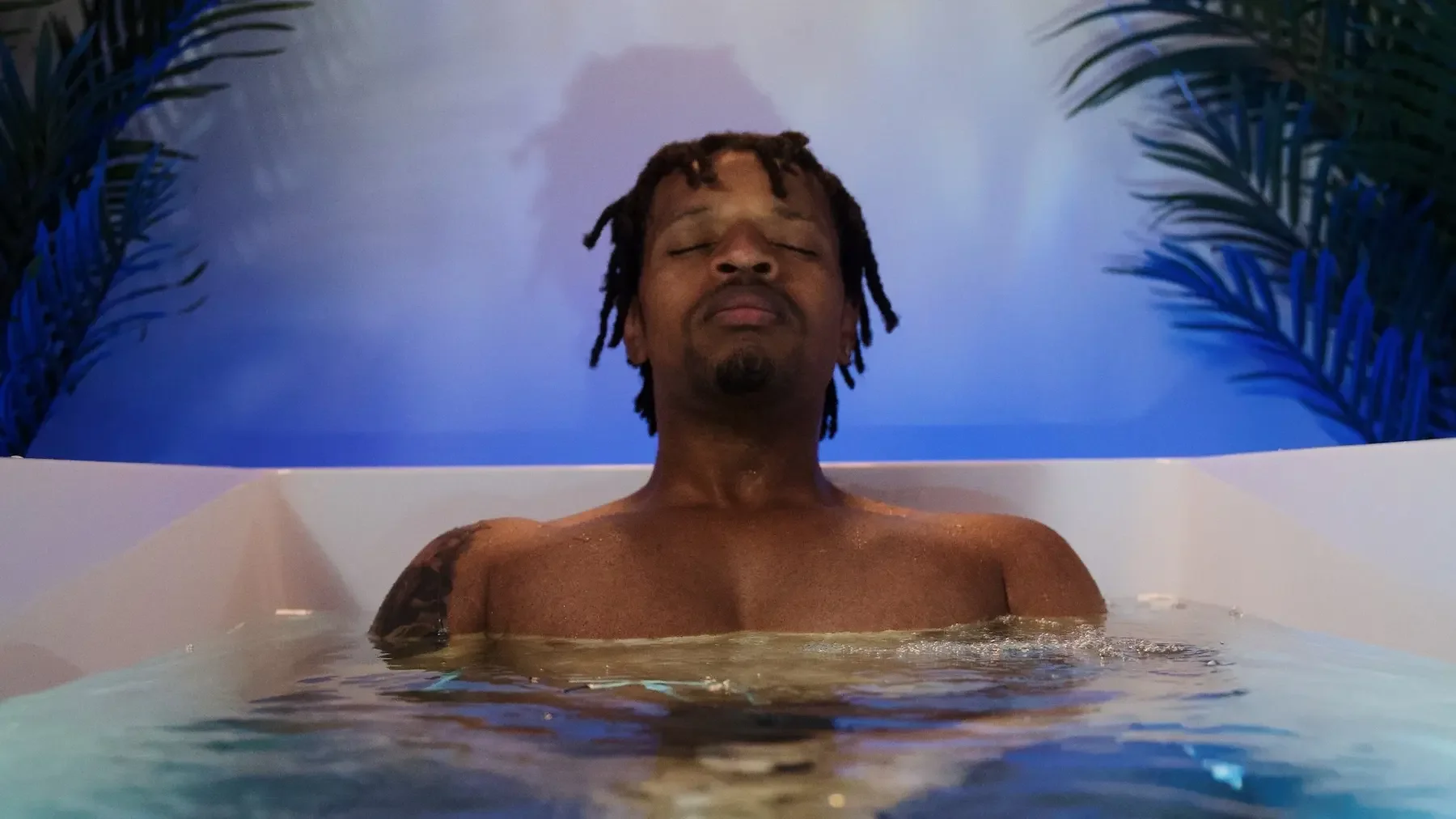
Cold plunging is uncomfortable on purpose. The practice of getting in anyway, of sitting with discomfort, slowing your breath, and refusing to let the cold win, builds a form of mental resilience that transfers. Clients consistently report that regular cold exposure makes other stressors feel more manageable. The mechanism is partly neurological (the regulation of the stress response through repeated controlled exposure) and partly psychological (the daily proof that you can do hard things).
This is not self-help language. It's a measurable benefit of deliberately uncomfortable practice.
Cold plunge at Biohack Cryo & Wellness
Biohack's cold plunge is maintained at approximately 45°F. Sessions are private, 15 minutes, and practitioner-supervised. You're not sharing a tub with strangers. You're not guessing at temperature. Everything is controlled and clean.
It pairs exceptionally well with our contrast therapy protocol, alternating heat and cold in the same session, or as a standalone recovery tool after training. If whole body cold exposure without submersion is what you're after, cryotherapy is the alternative worth comparing.
Book a cold plunge session in Woodland Hills
Biohack Cryo & Wellness is at 5305 Topanga Canyon Blvd in Woodland Hills, CA, serving the San Fernando Valley including Calabasas, West Hills, Tarzana, Encino, Chatsworth, and Thousand Oaks. Open Mon-Fri 7 AM-8 PM and Sat-Sun 8 AM-6 PM. Book your cold plunge session now. The best time to start is before you need it.