
Myofascial release vs. cold plunge: which recovery method does your body need?
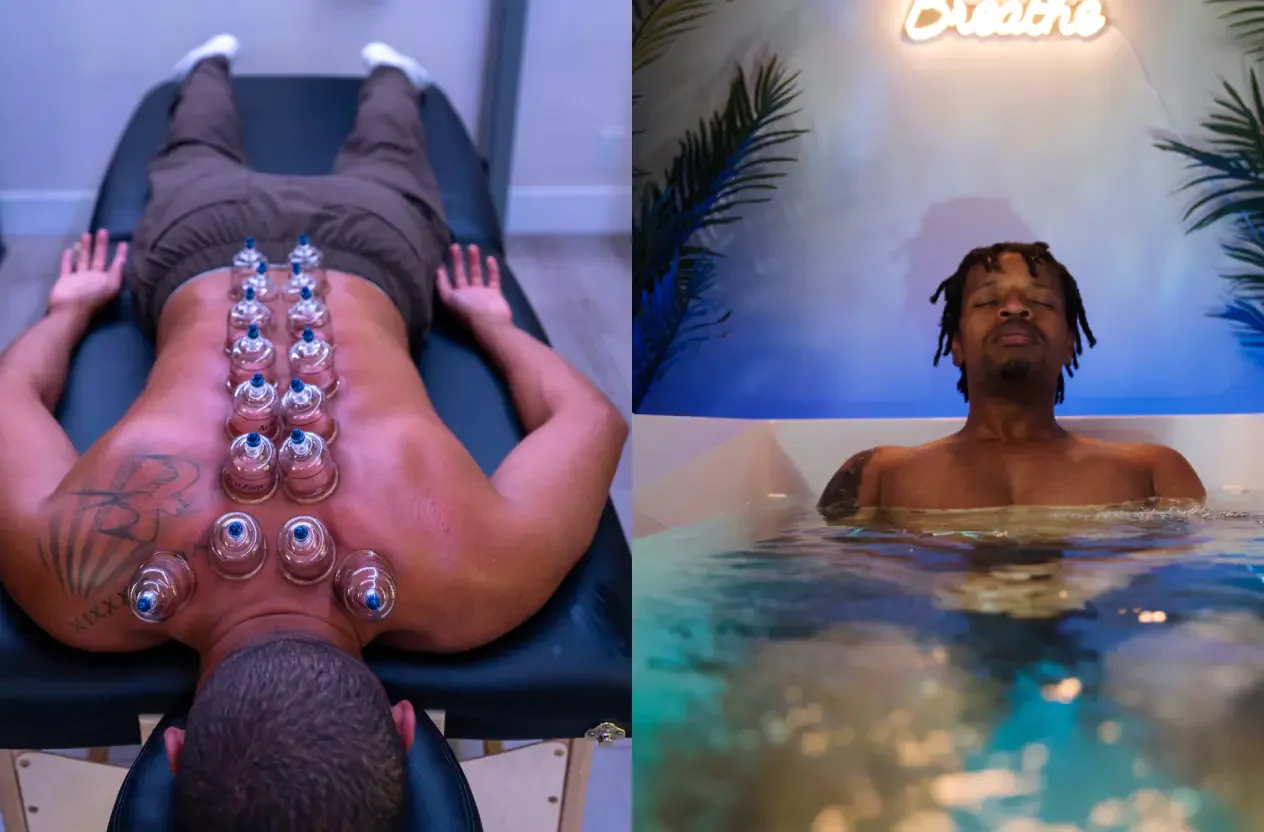
Myofascial release and cold plunge solve two different recovery problems. Myofascial release works on one specific area of tight, restricted tissue, using sustained pressure to release adhesions in the fascia. Cold plunge works on the whole body at once, calming the inflammatory response that builds up after hard training. Neither replaces the other, and in our Woodland Hills studio plenty of clients use both, just not always for the same complaint on the same day. This guide breaks down what each one actually does, how they compare side by side, and which one fits the kind of soreness you're dealing with right now.
What is myofascial release?
Myofascial release targets the fascia, the web of connective tissue that surrounds and connects every muscle in the body. When fascia tightens or develops adhesions, from repetitive movement, poor posture, an old injury, or simply not stretching enough, it can restrict range of motion and create a specific kind of dull, localized tension that doesn't resolve with rest alone. As Cleveland Clinic explains, myofascial release uses sustained, gentle pressure on connective tissue to help release these restrictions and restore more normal movement.
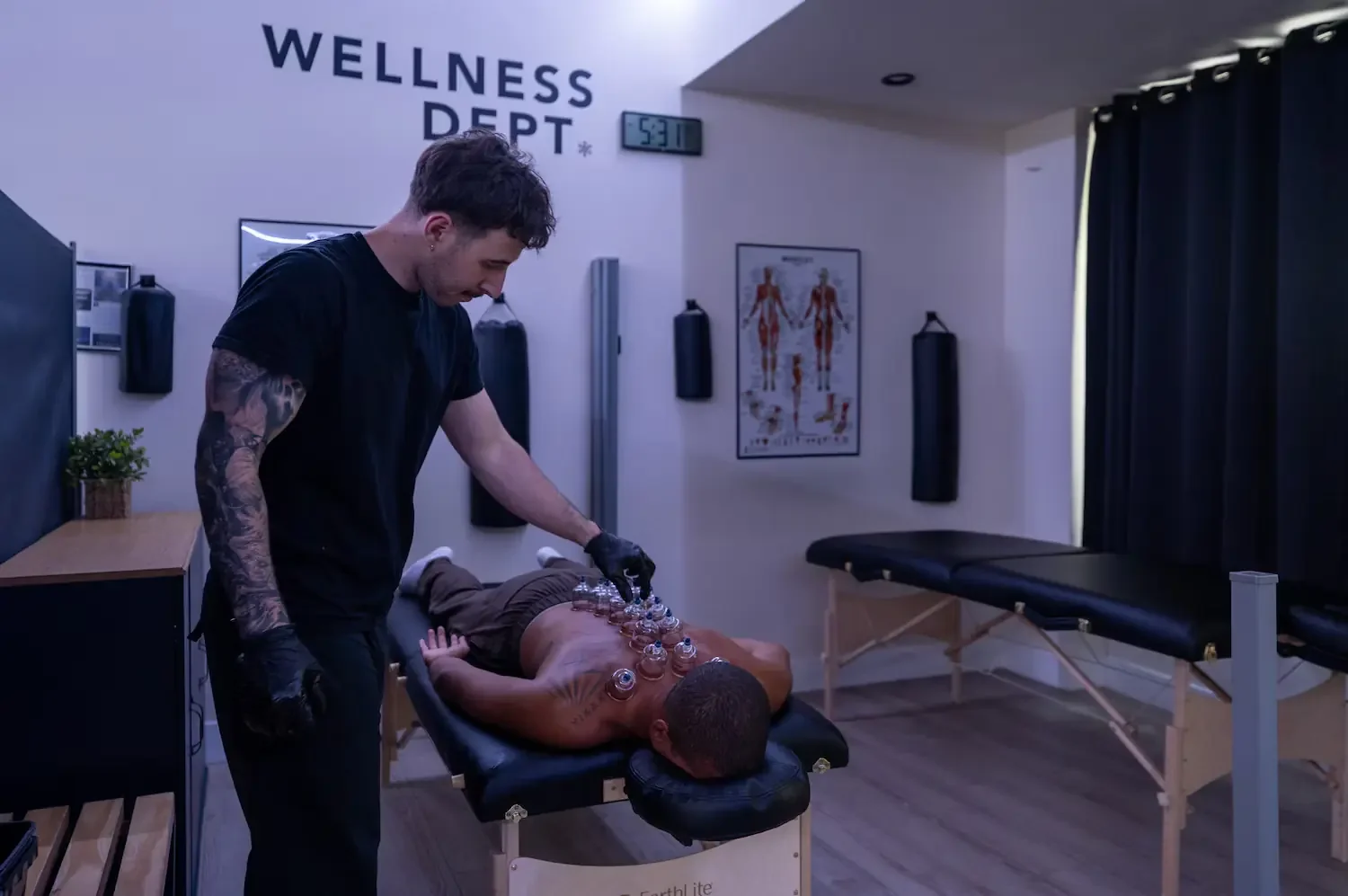
In a session, a practitioner works through areas of restriction using targeted pressure and, depending on the approach, guided movement through the joint. It's a slower, more precise process than a general massage, built around locating and releasing the specific spots that are limiting how a muscle or joint moves, rather than working the whole body evenly.
What it's best for
Myofascial release is the right tool when the problem is localized: a hip that won't fully open up, a shoulder that's stayed tight for weeks, a hamstring that never quite loosens no matter how much you stretch it, or scar tissue and stiffness left over from an old injury. It's a targeted fix aimed at a targeted problem, which is exactly why it doesn't do much for the kind of full-body fatigue you feel after a race or a long tournament weekend.
What is cold plunge?
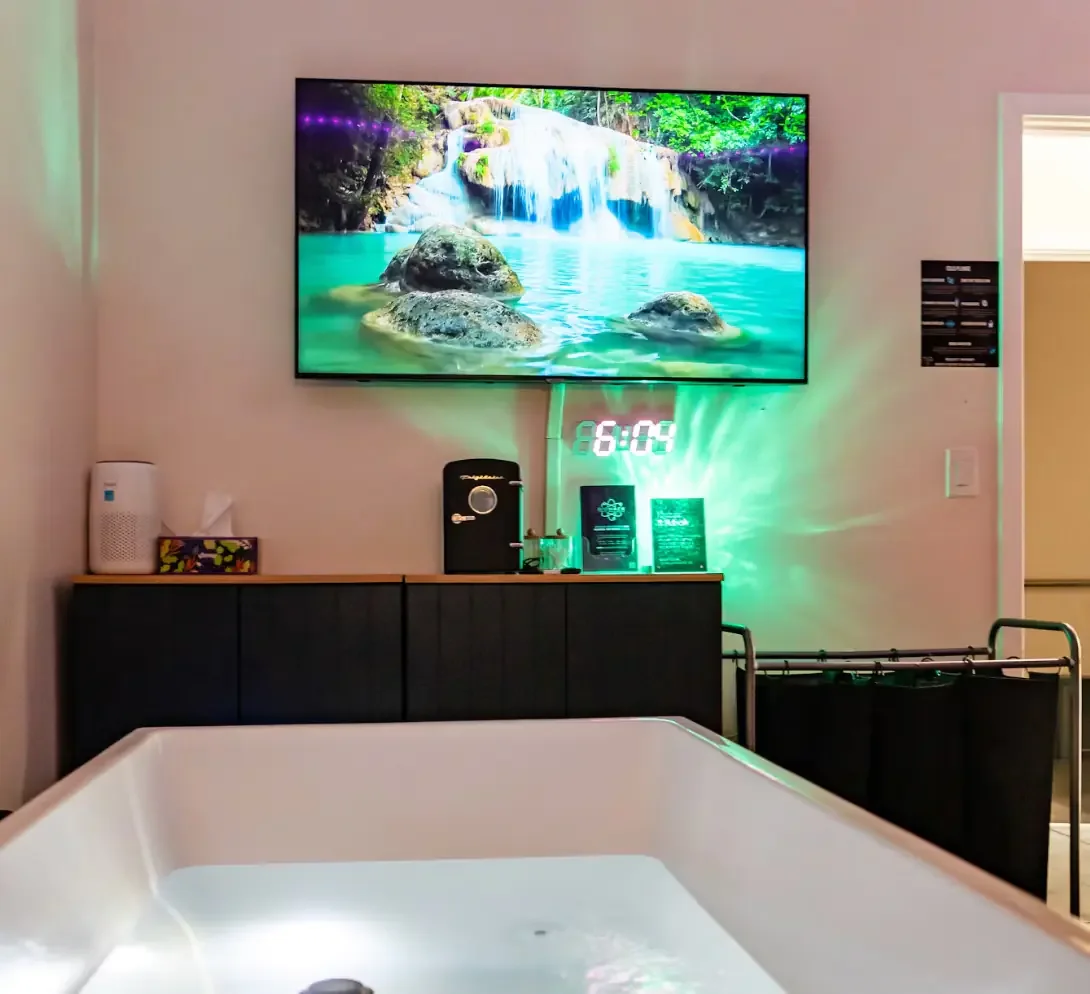
Cold plunge, also called cold water immersion, is a whole-body therapy rather than a localized one. Submerging in cold water causes blood vessels to constrict, and Cleveland Clinic notes that this response can help reduce inflammation and ease muscle soreness after intense exercise. When you get out and the body begins rewarming, blood flow returns quickly, an effect many people describe as an immediate mental and physical reset, not just a physical one.
What it's best for
Cold plunge is built for systemic, whole-body soreness, the kind you feel everywhere after a race, a tournament, or a demanding training block. It isn't zeroing in on one tight spot; it's working on the inflammatory response across your entire system at the same time, which is why it tends to leave people with a broad sense of relief rather than targeted relief in one specific area.
Myofascial release vs. cold plunge, side by side
Myofascial release. Focus: one specific area of tight or restricted tissue. Mechanism: sustained pressure releases fascial adhesions. Best for: a stubborn knot, tight IT band, or limited joint mobility. What it feels like: focused, sometimes intense pressure on one area. Pairs well with: cold plunge, Normatec compression.
Cold plunge. Focus: whole-body inflammation and soreness. Mechanism: cold-induced vasoconstriction, followed by a rush of blood flow on rewarming. Best for: full-body fatigue after intense or prolonged training. What it feels like: a brief, bracing cold exposure, often followed by a mental lift. Pairs well with: myofascial release, infrared sauna contrast.
How to know which one your body needs today
If you can point to one specific spot, a knot in your back, a hip flexor that won't release, a shoulder that's stayed tight since last week, myofascial release is the more direct option. If your whole body feels beat up after a big week of training, a long run, or a tournament, cold plunge is built for that kind of broad, systemic recovery instead.
A lot of people don't have to choose just one. Myofascial work to loosen a specific tight area, followed by a cold plunge to calm the inflammatory response that follows hard training, is a combination we see often in the studio. Each one supports the other: mechanical release first, then a systemic calm-down second, rather than asking one modality to do both jobs at once.
Common mistakes people make with either one
The most common mistake with cold plunge is treating it as a substitute for addressing a specific injury or persistent tight spot, when what that area actually needs is targeted, hands-on work. The most common mistake with myofascial release is expecting one session to undo weeks of accumulated whole-body fatigue, when that kind of systemic soreness responds better to cold exposure. Matching the tool to the actual problem is what makes either one worth the time.
It's also worth pacing yourself with both. Jumping into a cold plunge on a freshly acute injury, or scheduling back-to-back intense myofascial sessions on the same tight area without rest between them, tends to work against recovery rather than for it. If you're not sure how a new injury or a flare-up should be handled, that's worth a conversation with a physician before booking either service.
Building a recovery routine around your training
Woodland Hills and the surrounding San Fernando Valley have a genuinely active community, runners, cyclists, weekend athletes, and people training for events year-round, and recovery routines that mix modalities tend to hold up better across a full training cycle than any single tool used alone. If cold plunge and myofascial release are already part of your week, pairing them with Normatec compression or the deeper heat exposure in our infrared sauna rounds out a more complete rotation without adding much extra time to your week.
Signs you should book one over the other
A few practical signals help make the call easier. If you can press on one spot and reproduce the exact tightness you're feeling, that's a strong sign it's a myofascial issue, not a systemic one. If the soreness is symmetrical, shows up on both sides of the body, and came on after a single big effort rather than building up over weeks, that pattern points toward cold plunge. And if you're not sure which describes your situation, that's a normal question to bring to our team before booking; matching the service to the actual problem is part of what a good intake conversation is for.
What the research says about how each one works
The physiology behind these two therapies is well documented, even if the exact magnitude of benefit varies by individual and by study. Cleveland Clinic's overview of myofascial release describes the sustained-pressure mechanism used to address fascial restriction, and its explainer on cold plunges walks through the vasoconstriction-then-rewarming cycle that drives cold water immersion's effects on inflammation. Neither source claims either therapy is a cure-all, and neither should we: they're tools that work well for specific kinds of recovery demand, not a replacement for rest, proper training load management, or medical care when something doesn't resolve on its own.
When to see a professional instead of booking a recovery session
Recovery services like these are built for normal training soreness and everyday tightness, not for diagnosing or treating an injury. Sharp, localized pain, swelling that doesn't improve, numbness, or tightness that's gotten worse rather than better over a week or two are all reasons to see a physician or physical therapist first. Our team can usually tell during a quick conversation whether what you're describing sounds like a good fit for myofascial release or cold plunge, or whether it's worth having looked at by a medical professional before you book.
Book your recovery session in Woodland Hills
Whether you need focused work on one stubborn area, a full-body reset, or both in the same visit, our team can help you figure out the right combination for what you're training for. Book online or contact our Woodland Hills studio to get started.
Frequently asked questions
What's the actual difference between myofascial release and cold plunge?
Myofascial release uses targeted, sustained pressure to release tight, restricted connective tissue in one specific area. Cold plunge uses cold water immersion to calm inflammation and soreness across the whole body. One is localized, the other is systemic.
Can I do myofascial release and cold plunge in the same visit?
Yes. Many clients do myofascial work on a specific tight area first, then follow it with a cold plunge to calm overall inflammation. Ask our team about scheduling both in one visit.
Which one is better for soreness after a hard workout?
It depends on the type of soreness. A specific tight muscle or joint responds better to myofascial release, while whole-body soreness after an intense session is generally better addressed with cold plunge.
Is cold plunge safe for everyone?
Most healthy adults tolerate cold water immersion well, but anyone with a cardiovascular condition, a recent injury, or another relevant health concern should talk to a physician before trying it.
How often should I use each therapy?
This depends on your training load and specific goals. Our team can help build a schedule around how often you train and what you're recovering from.
Where can I book myofascial release or cold plunge in Woodland Hills?
You can book either session, or both together, at our Woodland Hills studio. Book online or reach out through our contact page with any questions before your first visit.